

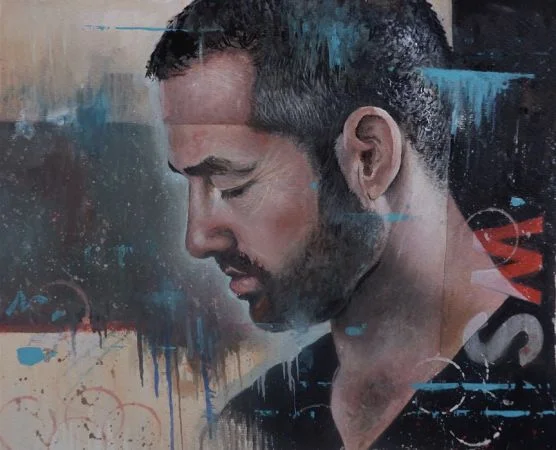
Famous Portrait Paintings, Female Portraits and Modern Art Prints
Famous Portraits Paintings have always been more than visual records. They are cultural documents that reveal how people wished to be seen, remembered, and understood. From royal courts to modern studios, portrait painting has preserved personality in ways photography alone cannot replicate.
A painted portrait reflects the artist’s judgement, emotion, and technical choices. This interpretive layer is what gives famous portraits lasting relevance. Viewers do not merely observe a face; they encounter a moment shaped by artistic intention.
How Did Female Portrait Paintings Evolve Into Modern Expression?
Female Portrait Paintings have undergone significant transformation across centuries. Earlier traditions focused on social role and visual refinement, while modern portraiture places emphasis on individuality and emotional truth.
Contemporary female portraits explore identity through expressive colour, dynamic composition, and nuanced expression. This evolution has expanded how female subjects are represented, making such works deeply relevant in today’s art landscape.
Why Has Iron Man Painting Become a Modern Portrait Trend?

The popularity of character-inspired artwork reflects broader cultural shifts. A modern iron man painting reimagines a fictional icon using fine art techniques traditionally reserved for historical figures.
This fusion allows viewers to connect familiar characters with painterly depth. Rather than existing as novelty art, these portraits occupy a space between contemporary culture and traditional craftsmanship, appealing to both collectors and modern art audiences.
What Makes Actors and Artists Portraits So Compelling?
Actors and artists potraits capture individuals who shape creative and cultural narratives. These portraits often prioritize emotional presence over physical perfection, offering insight into personality rather than fame.
Through controlled abstraction, expressive brushwork, and thoughtful lighting, artists reveal inner character. This interpretive approach makes such portraits resonate strongly with viewers who appreciate depth beyond surface likeness.
How Have Portrait Painting Styles Changed in Recent Decades?
Traditional portrait painting emphasized balance, realism, and formal composition. While these principles remain influential, modern artists embrace experimentation. Colour contrast, texture, and simplified forms are now common tools for emotional storytelling.
This shift reflects changing viewer expectations. Today’s audiences often seek connection rather than documentation, making expressive portrait styles increasingly relevant in contemporary art.
Why Are Art Prints for Sale an Essential Part of Modern Collecting?
Art prints for sale have reshaped how portrait art is experienced and owned. High-quality printing technology allows fine detail, colour accuracy, and longevity, making prints a respected format rather than a secondary option.
Collectors value prints for their accessibility and adaptability. They enable curated art environments that evolve with personal taste while maintaining artistic integrity.
How Did Female Portrait Paintings Become a Core Part of Art History?
Female Portrait Paintings have evolved alongside cultural shifts. Earlier portrait traditions often focused on elegance and status, while contemporary female portraiture emphasizes individuality, emotion, and authenticity.
Modern artists portray women as complex individuals rather than idealized subjects. Expression, posture, and colour choices now communicate confidence, introspection, or strength. This evolution has made female portrait paintings one of the most appreciated and discussed genres in modern fine art.
Why Are Character-Based Works Like Iron Man Painting So Popular?
The rise of character-inspired portrait art reflects changing viewer interests. A modern iron man painting blends popular culture with traditional portrait techniques, transforming a familiar fictional figure into a fine art statement.
These artworks appeal to collectors because they balance nostalgia with craftsmanship. Instead of functioning as simple fan art, such paintings reinterpret characters with painterly depth, making them suitable for galleries and refined interior spaces.
What Makes Actors and Artists Portraits Unique in Fine Art?
Actors and artists potraits hold special appeal because they document cultural influence. These portraits often focus on expression rather than perfection, revealing personality behind fame.
Artists frequently experiment with lighting, texture, and abstraction to convey the inner character of creative figures. This interpretive approach allows portrait art to feel intimate while still representing well-known individuals, making such works especially engaging for collectors.
How Have Portrait Painting Techniques Changed Over Time?
Traditional portrait painting emphasized realism, symmetry, and controlled brushwork. While these techniques remain respected, modern portrait artists explore expressive colour palettes, looser strokes, and unconventional compositions.
This shift allows portraits to communicate emotion more directly. Viewers are invited to interpret mood rather than simply admire likeness, making contemporary portrait paintings more personal and immersive.
Why Are Art Prints for Sale Essential in Today’s Art Market?
Art prints for sale have transformed how people collect portrait art. High-quality prints preserve artistic detail while offering flexibility for modern living spaces.
Prints make it possible to enjoy portrait art without the limitations of original-only ownership. They also allow collectors to build curated art collections that reflect personal taste rather than investment alone.
How Does Portrait Art Enhance Interior Design?
Portrait paintings introduce human connection into interior spaces. Whether placed in a home, studio, or office, portrait art creates an emotional focal point that landscapes or abstract works cannot always provide.
The presence of a portrait adds narrative to a room. Viewers naturally engage with facial expressions, creating an atmosphere that feels thoughtful, expressive, and intentional.
Why Emotional Depth Is the Core of Successful Portrait Art
Emotion gives portrait art its lasting power. A successful portrait invites viewers to pause, reflect, and connect. Subtle elements such as eye direction, colour temperature, and brush pressure guide emotional response without explanation.
This emotional connection is why portrait paintings remain relevant regardless of style or subject. The human face continues to fascinate because it communicates beyond words.
How Modern Portrait Paintings Reflect Contemporary Culture
Today’s portrait art reflects diversity, individuality, and cultural influence. Artists no longer work within rigid standards but instead embrace variation in style, subject, and narrative.
From classical-inspired compositions to modern interpretations of iconic figures, portrait paintings adapt to cultural change while maintaining their artistic foundation.
How Do Portrait Paintings Influence Interior Atmosphere?

Portrait art introduces human presence into a space. Unlike abstract or scenic works, portraits create immediate engagement through expression and gaze. This interaction adds depth and personality to interior design.
Whether displayed in residential or professional environments, portrait paintings contribute to an atmosphere of reflection, creativity, and cultural awareness.
Why Emotional Authenticity Defines Successful Portrait Art
Emotion is the defining factor in lasting portrait paintings. Subtle variations in posture, expression, and colour communicate mood without explanation. Viewers respond instinctively to these cues, forming personal connections with the artwork.
This emotional dialogue is why portrait art transcends trends. Regardless of era or style, the human face remains a powerful visual language.
How Modern Portrait Art Reflects Cultural Identity
Contemporary portrait painting reflects diversity, individuality, and evolving cultural values. Artists now depict a wide range of subjects, styles, and narratives, allowing portrait art to represent modern society more accurately.
This openness has expanded the relevance of portrait painting, making it one of the most dynamic and meaningful art forms today.
The Enduring Appeal of Portrait Paintings and Art Prints
Portrait art endures because it preserves identity. Whether through famous historical figures, expressive female portraits, character-inspired paintings, or collectible prints, portrait art continues to evolve without losing significance.
As accessibility increases through modern platforms and prints, portrait paintings remain one of the most meaningful forms of visual expression in fine art.